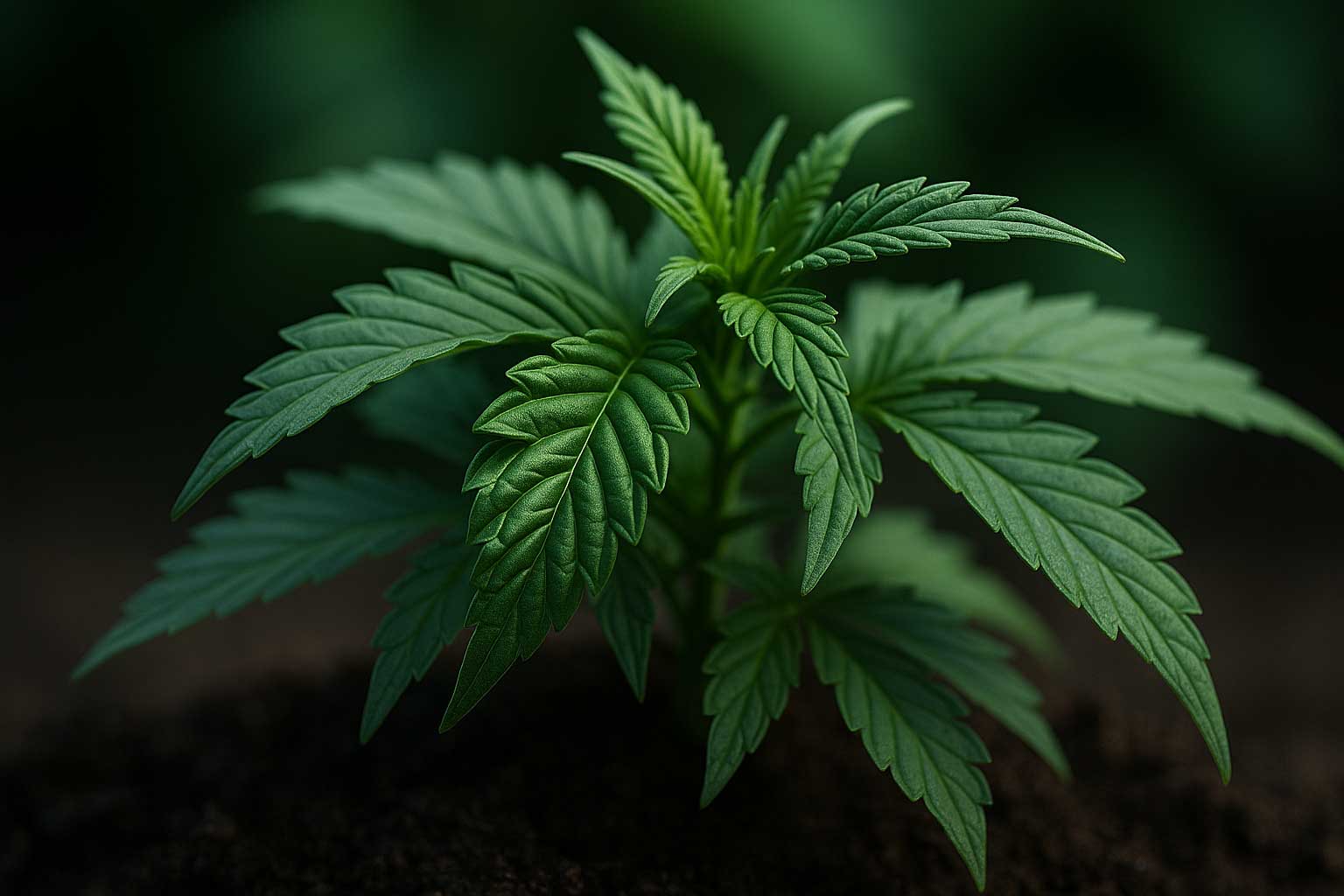
Why Cannabis Leaves Curl and What You Can Do About It
Seeing cannabis leaves curl up, down, or inward? Don’t worry — your plant is signaling stress, and the fix is usually simple once you know where to look. Use this guide to diagnose the cause quickly and bring leaves back to normal.
Educational content for adults in legal regions. Always follow local laws and cultivate responsibly.
🌤️ 1) Too Much Light or Heat
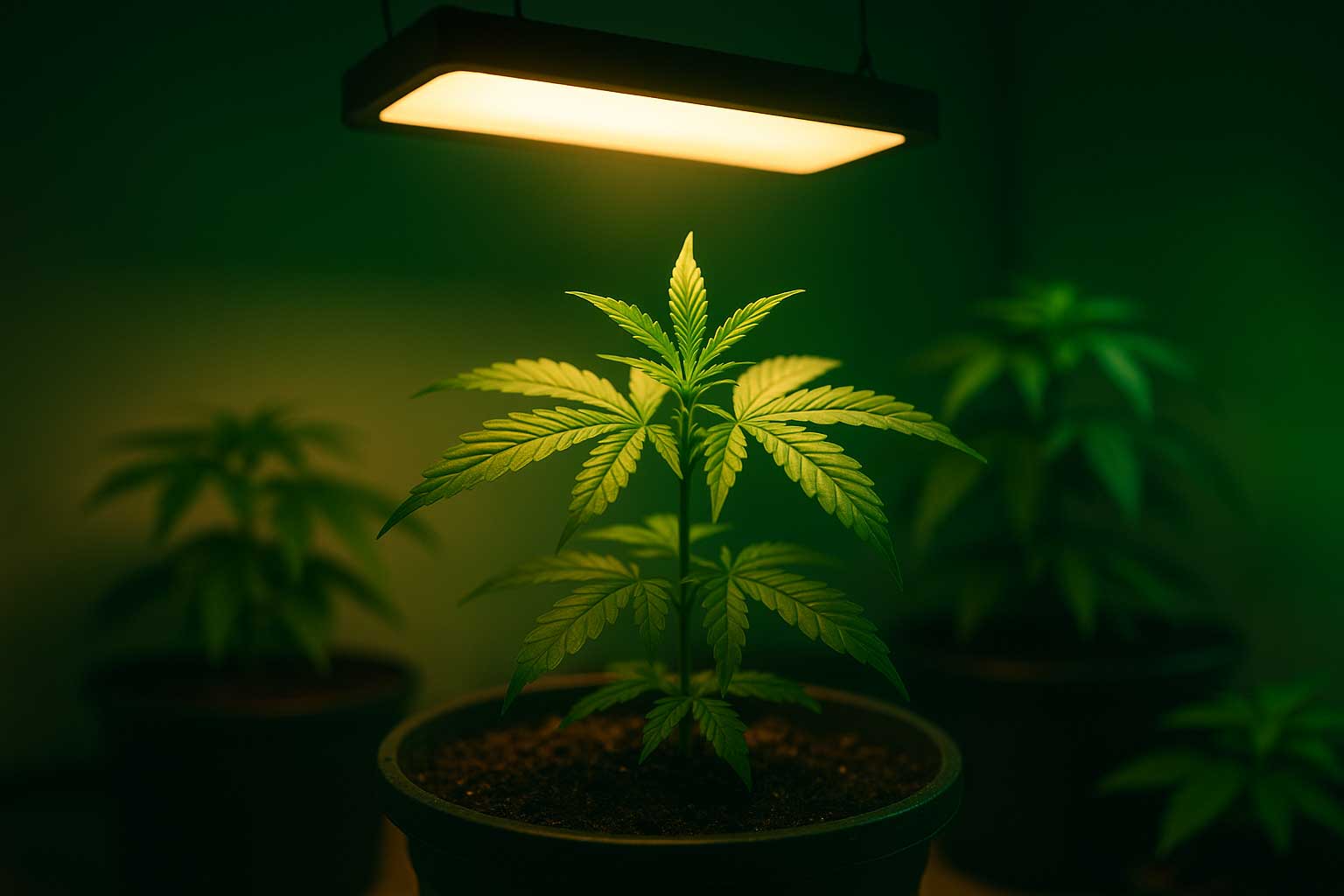
Excess light or heat makes leaves curl to reduce moisture loss — a natural “sunshield.”
What to look for
- Upward or inward curl on top leaves
- Dry, crispy edges; light bleach on upper canopy
- Canopy temps consistently high
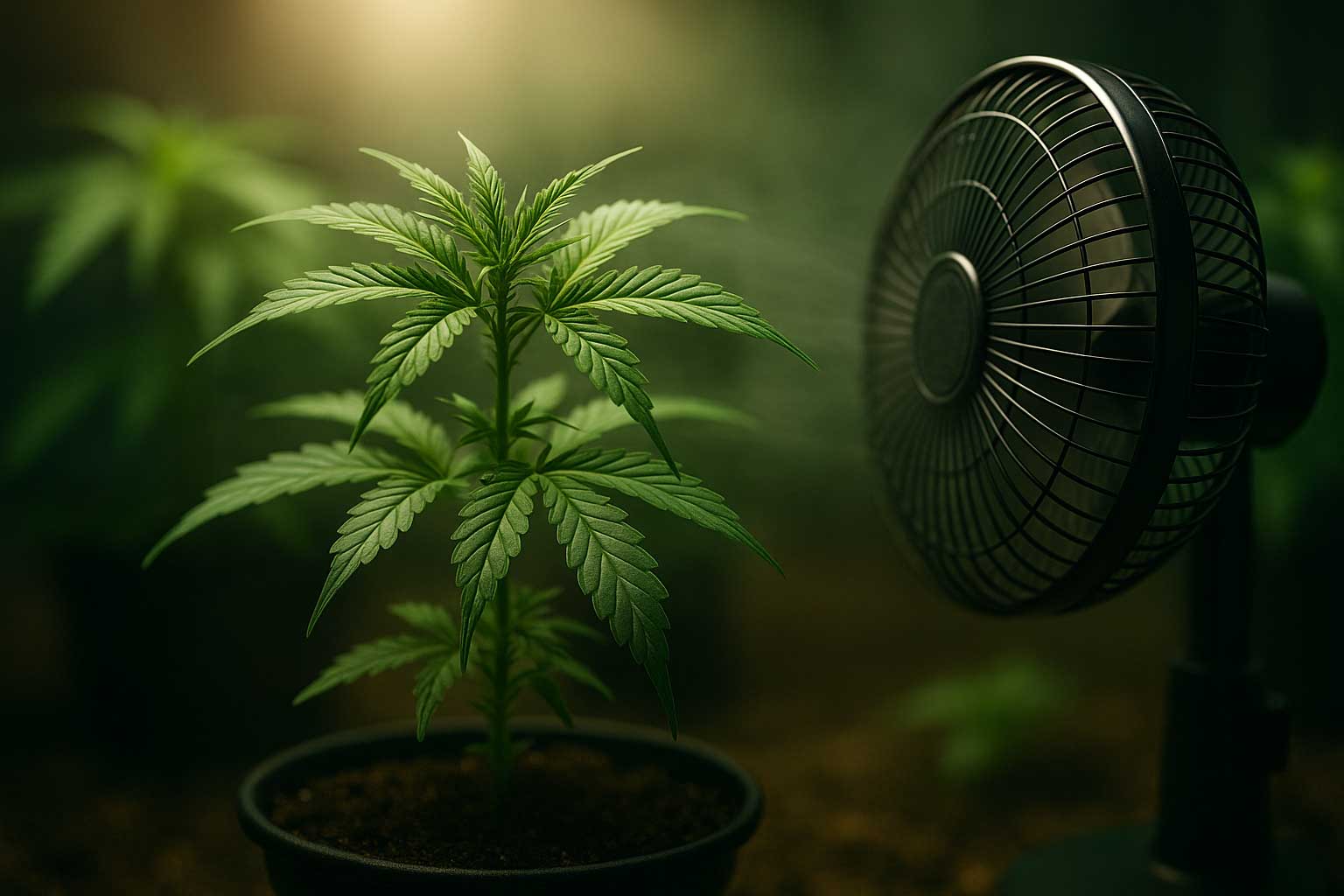
Simple fix: Raise or dim LEDs gradually and keep canopy temps around 22–28 °C (72–82 °F). Use a gentle oscillating fan and maintain RH appropriate to stage (veg ~50–65%, flower ~40–55%).
💧 2) Overwatering or Poor Drainage
Roots need oxygen. Waterlogged media cause downward curl, slow growth, and weak leaves.
What to look for
- Soft, downward-curling leaves
- Soggy, compacted medium; slow dry-back
- Yellowing lower leaves or musty smell
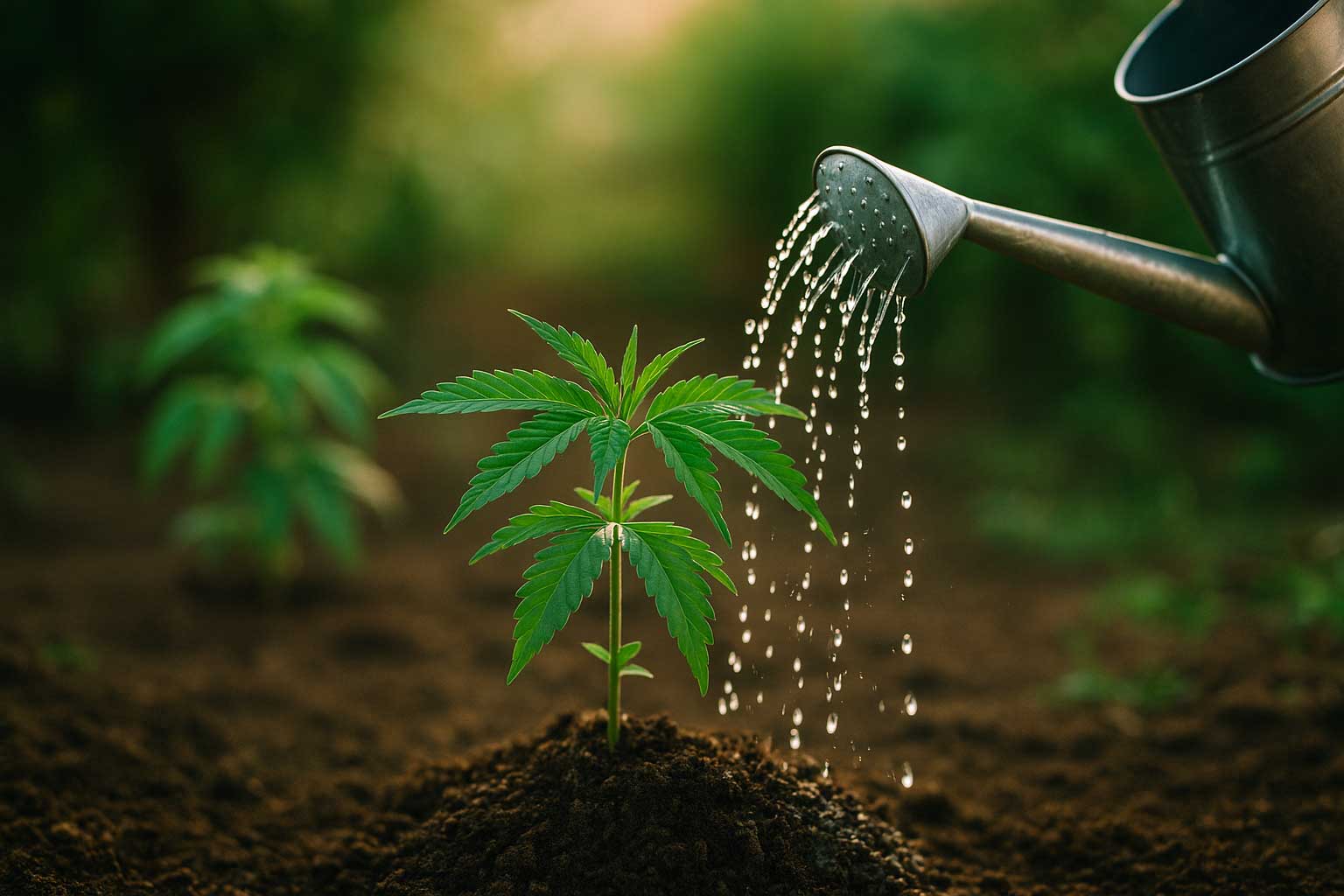
Simple fix: Let the top 2–3 cm (≈1 in) dry before watering. Ensure drainage holes; empty saucers. Improve aeration with perlite or fabric pots. If roots are brown/slimy, trim damaged areas and repot in fresh, airy medium.
🥵 3) Underwatering or Low Humidity
When moisture is too low, leaves curl inward to conserve water, especially in dry rooms.
What to look for
- Dry, brittle leaves curling inward
- Medium pulling from pot edges
- Droop that recovers quickly after watering
Simple fix: Water evenly until slight runoff. Keep RH steady (veg ~50–65%, flower ~40–55%). Avoid “drought–flood” cycles by learning your pot’s dry-back rhythm.
🌿 4) Nutrient Imbalance (Often Excess)
Overfeeding (or salt buildup) can cause the classic “claw” — tips curl down and edges burn.
What to look for
- Leaf tips curling down with brown “burn”
- White crust/salts on medium surface
- Very dark green, rigid foliage
Simple fix: Flush with pH-balanced water, then resume a lighter, stage-appropriate feed (veg: more N; flower: lower N, more P/K) at ~50% label strength. In soil, feed less often; in coco, use lighter EC but more frequent irrigations.
🌡️ 5) Temperature Swings or Drafts
Cold nights or drafts can twist leaves and slow recovery even with correct watering.
What to look for
- Twisted or folded leaves after lights-off
- Darkened, necrotic edges in severe cases
- Big day–night temp gaps
Simple fix: Keep temps stable; avoid cold/AC drafts. Aim for modest day–night differences (≈2–4 °C / 3–7 °F) to reduce stress.
🕷️ 6) Pests or Insects
Small pests (e.g., mites, aphids, thrips) distort new growth and can trigger curl.
What to look for
- Tiny dots, stippling, or fine webbing
- Misshapen new leaves; sticky residue
- Specks moving on the undersides of leaves
Simple fix: Wipe foliage and apply a gentle insecticidal soap or neem (spot-test first). Improve sanitation and airflow; quarantine new plants before introducing to the grow.
🌾 Quick Summary Table
| Cause | Signs | Fix |
|---|---|---|
| Light/heat stress | Upward curl, crispy edges | Raise/dim light; 22–28 °C; stage-appropriate RH |
| Overwatering | Downward curl, soggy medium | Dry-back; improve drainage/aeration |
| Underwatering | Inward curl, dry medium | Even deep watering; stabilize RH |
| Nutrient excess | Tip burn, dark “claw” | Flush; resume lighter, stage-based feed |
| Temp swings | Twist after lights-off | Reduce day–night gap; avoid drafts |
| Pests | Distorted new growth, webbing | Hygiene; gentle IPM (soap/neem) |